
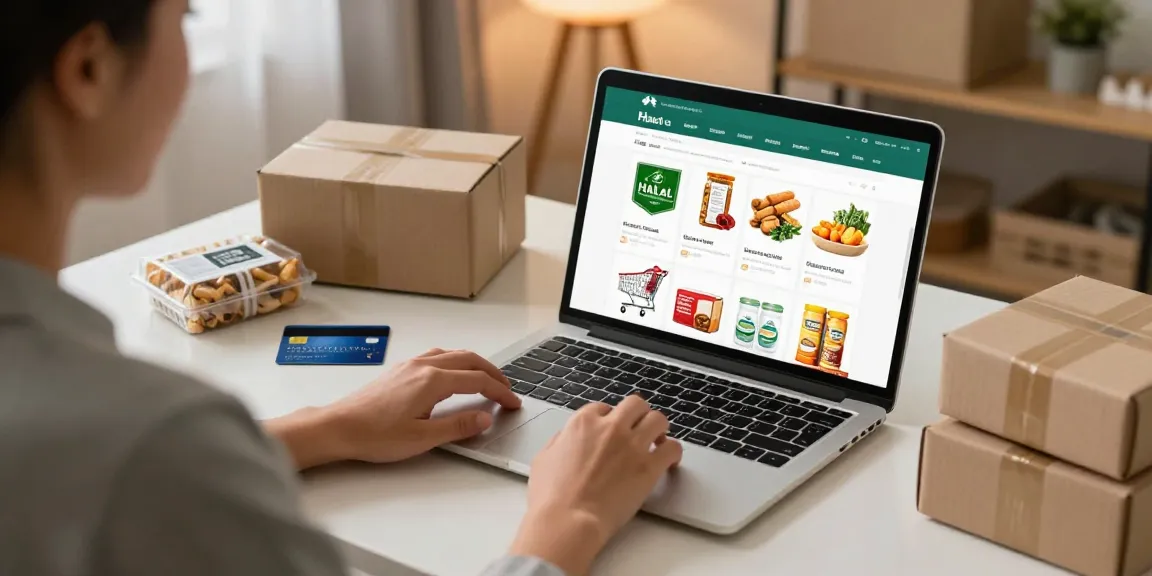
Understanding the Importance of Halal Grocery Delivery in 2026
As the demand for Halal products grows globally, the necessity for reliable Halal grocery delivery services is becoming increasingly evident. Shoppers are looking for convenience, quality, and assurance that the food they consume adheres to Islamic dietary guidelines. In this evolving landscape, understanding the significance of Halal grocery delivery can empower consumers to make better purchasing decisions while providing e-commerce businesses with valuable insights into consumer behavior and preferences in 2026.
What Defines Halal Products?
Halal refers to what is permissible or lawful in traditional Islamic law. When it comes to grocery items, Halal products are those that are prepared, processed, and packaged according to specific Islamic guidelines. This includes the exclusion of certain types of meat, alcohol, and any ingredients derived from animals that are not slaughtered in a prescribed manner. The packaging and handling of these products are equally important, creating a set of standards that businesses must adhere to in order to meet consumer expectations.
Consumer Demand for Halal Items
The consumer demand for Halal items is on the rise, driven not only by the Muslim population but also by non-Muslim consumers who value quality assurance and ethical sourcing. Studies indicate that this market is expected to grow significantly, reaching over $3 trillion in total spending by 2026. As more people become aware of the benefits of Halal products—such as higher safety standards and ethical treatment of animals—businesses must adapt their offerings to meet this demand.
Market Trends in Grocery Delivery
With the ongoing digital transformation, grocery delivery has evolved dramatically in recent years. Trends such as same-day delivery, subscription models, and the use of AI-powered tools for personalized shopping experiences are now standard in the e-commerce landscape. Companies that embrace these innovations can enhance customer satisfaction and loyalty by providing a seamless shopping experience. The integration of local products, particularly Halal items, into delivery services further caters to an increasingly health-conscious demographic.
Top-Rated Platforms for Halal Grocery Delivery
When it comes to selecting a platform for Halal grocery delivery, various factors come into play, including customer experience, product range, and reliability. Below is a curated comparison of top-rated e-commerce platforms that specialize in Halal grocery delivery services in 2026.
Comparing E-commerce Platforms for Halal Items
Not all grocery delivery platforms are created equal. Below is a comparative analysis of some of the most reputable platforms providing Halal grocery delivery:
- Amazon Prime: Offers a wide variety of Halal products with reliable delivery options and a seamless user experience.
- Instacart: Provides local grocery shopping with the convenience of selecting from various stores that stock Halal products.
- Sani LLC: A specialized platform focusing on a range of Halal grocery items, ensuring freshness and adherence to Halal standards.
Popular Services Offering Halal Delivery
Some of the popular services offering Halal delivery have tailored their offerings to cater to customer preferences. Services like HelloFresh and Blue Apron provide meal kits that include Halal options, expanding the accessibility of Halal products to a wider audience. Furthermore, local delivery services focus on regional delicacies, enhancing the shopping experience by providing culturally relevant foods.
User Reviews: What Customers Say
Customer reviews play a critical role in e-commerce, providing social proof and feedback for potential buyers. According to user feedback on platforms specializing in Halal grocery delivery, customers often appreciate the quality of products, transparent sourcing, and efficiency of delivery. Such insights can guide potential buyers in making informed decisions when selecting their grocery delivery services.
Analytics and Pricing Strategies for Halal Grocery Sales
Understanding Pricing Models
Pricing strategies in the Halal grocery segment can significantly affect sales. Analyzing market trends shows that competitive pricing paired with tiered options can attract a diverse customer base, especially in the context of groceries where price sensitivity is prevalent. Retailers can implement dynamic pricing models that respond to demand fluctuations, ensuring that products remain affordable while maximizing profit margins.
How Promotions Affect Buying Decisions
Promotional offers such as discounts, bundle deals, and loyalty points can drive customer engagement and increase average order value (AOV). For instance, special promotions during Islamic holidays can significantly boost sales in Halal grocery delivery platforms. This practice not only enhances customer loyalty but also encourages repeat purchases.
Price Comparison Techniques
It’s crucial for consumers to utilize price comparison techniques to ensure they are getting the best deals on Halal grocery items. Many platforms now implement price tracking tools and offer price matching guarantees, instilling confidence among shoppers that they are purchasing at competitive rates. It is advisable for consumers to compare prices across different platforms before making a purchase to optimize their buying decisions.
Shipping and Delivery Options for Halal Products
Best Practices in Fulfillment and Logistics
Efficient logistics and fulfillment practices are critical for ensuring the freshness and quality of Halal products. Implementing best practices such as temperature-controlled transport, speedy order processing, and responsive customer service can greatly enhance the shopping experience. Companies must also ensure that delivery staff are trained to handle Halal products with care and respect, thereby reinforcing trust with customers.
Shipping Times and Customer Expectations
With the rise of instant gratification in e-commerce, rapid shipping times have become a non-negotiable expectation for consumers. Average delivery times for Halal grocery products should ideally fall within the same-day or next-day range, especially for fresh items. Retailers should clearly communicate shipping times and provide timely updates throughout the delivery process to manage customer expectations effectively.
Return Policies and Buyer Protection
Clear return policies are essential for customer satisfaction and retention in the e-commerce space. Businesses offering Halal grocery delivery should establish transparent guidelines regarding returns, exchanges, and buyer protection policies. This practice not only protects the consumer but also builds buyer confidence, encouraging repeat purchases.
Enhancing Customer Trust and Retention in E-commerce
Leveraging Reviews for Social Proof
Incorporating customer reviews into product listings acts as social proof, helping to establish trust and credibility. E-commerce businesses that actively solicit and display customer feedback can create a positive shopping environment, thus influencing potential buyers to complete purchases. Highlighting testimonials related to product quality and service further enhances the shopping experience.
Effective Customer Loyalty Programs
Loyalty programs tailored for Halal grocery shoppers can significantly enhance customer retention. By offering rewards for frequent purchases, businesses can incentivize repeat buyers and increase overall customer lifetime value. These loyalty programs can take various forms, including discounts, exclusive member offers, or early access to new products, making them attractive to customers.
Secure Payment Methods and Fraud Prevention
Implementing secure payment methods is paramount in ensuring customer trust in e-commerce transactions. Retailers should offer multiple payment options, including credit/debit cards, digital wallets, and bank transfers while utilizing encryption technologies to protect sensitive information. Being transparent about security measures and providing customer support to resolve any payment-related queries also contribute to buyer confidence.

